
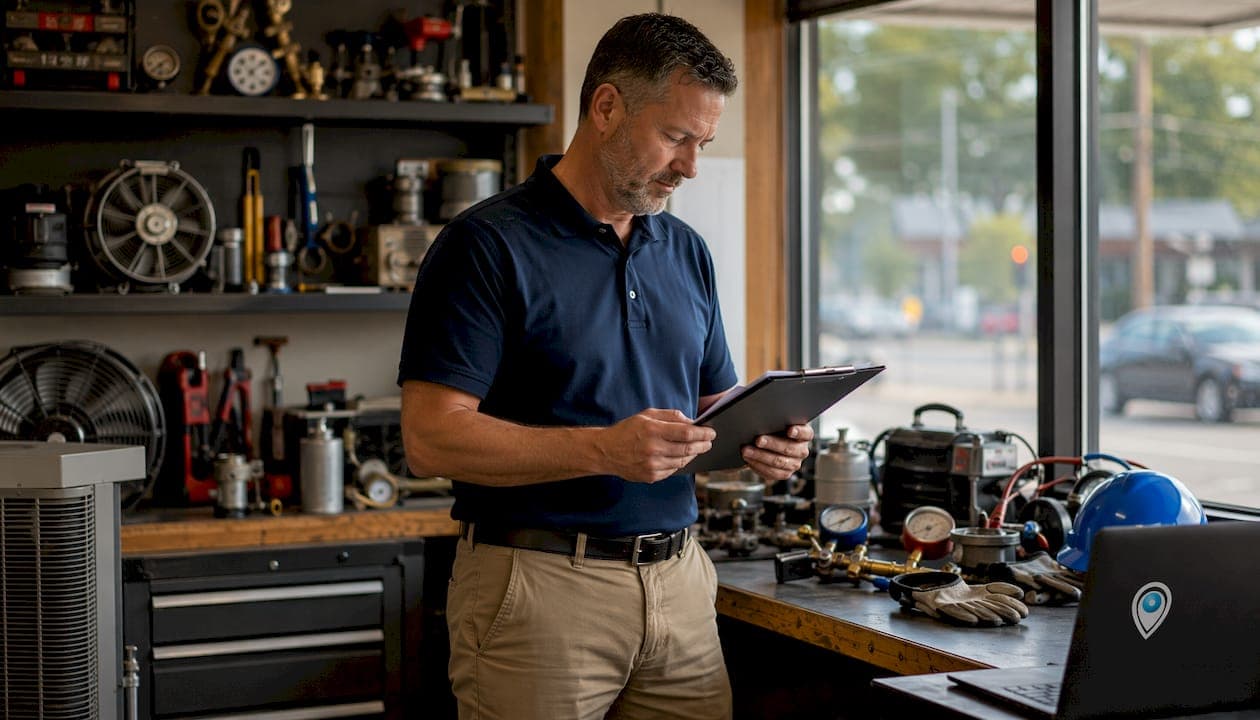
What are the key signs your HVAC company needs to hire faster?
Your HVAC company needs to hire faster when technicians are consistently overloaded, jobs are being turned down, or service backlogs stretch beyond a few days. These are not soft warning signs. They are direct indicators that your current labor capacity is capping your revenue and putting customer relationships at risk.
- Backlog exceeds several days repeatedly. A backlog past 3–5 days is the clearest signal that demand has outpaced your crew. When service calls push into overtime or weekend premiums, you have outgrown your current labor force.
- Technicians are working overtime consistently. Occasional overtime is normal. Chronic overtime is a retention risk. Burned-out techs leave, and replacing them costs far more than hiring proactively.
- You are turning down profitable jobs. Declining calls because no one is available is not a scheduling problem. It is a capacity problem, and every declined job is direct revenue lost.
- Callbacks are increasing. Overworked technicians make more mistakes. Rising callback rates signal that your team is stretched too thin to deliver consistent quality.
- The owner is the operational bottleneck. Once your company passes a certain revenue threshold, the owner stepping in to cover field work is a sign the team is understaffed. That is a growth ceiling, not a temporary fix.
- Your field-to-office ratio is off. A healthy ratio of field employees to office support staff runs around 3-to-1. If your ratio is lower, your technicians are likely under-dispatched or your office is overwhelmed.
- Customer complaints are climbing. Missed service windows and delayed responses drive negative reviews. In a market where reputation drives referrals, this compounds quickly.
The HVAC labor shortage is structural, not cyclical. With a large number of job openings projected by 2030, waiting until the pressure is unbearable puts you behind contractors who are already recruiting.
How do you fast-track the HVAC technician hiring process?
Speed wins qualified candidates. Top technicians in 2026 are fielding multiple offers at once, and the shop with a faster process closes the hire. Here is how to move quickly without cutting corners.
- Post a transparent pay range immediately. Vague postings that say "competitive pay" get skipped. Posting a pay range is one of the single biggest factors in whether a qualified tech clicks "apply." Put the number in the ad.
- Gate on EPA Section 608 certification first. Screen for this credential before anything else. Hiring a tech who cannot legally handle refrigerant exposes your business to federal liability under the Clean Air Act.
- Use texting, not email. Most technicians do not check email regularly. Text communication is faster, less invasive, and far more likely to get a response from a tech who is already working a full schedule.
- Adopt a "speed to lead" mindset. Contact candidates within 24 hours of application and extend an offer within a week of the final interview. Delays hand your best candidates to faster competitors.
- Consolidate interview stages. A 20-minute phone screen followed by a hands-on field scenario covers what most shops spread across four or five rounds. Fewer stages mean faster decisions and fewer drop-offs.
- Use an applicant tracking system. Tools like Locatehire automate scheduling, follow-ups, and candidate communication so your service manager is not manually tracking every applicant. This alone cuts days off your time-to-fill.
- Promote flexibility and career growth. Smaller contractors compete on schedule control and faster advancement, not just wages. Lead with those advantages in your postings and interviews.
Pro Tip: Use a ride-along as your final vetting step, not your first. Run the phone screen and credential check first to filter out poor fits, then invest the ride-along time only in candidates who have already cleared your gates. This keeps the process fast and the quality bar high.
For more on building job ads that attract qualified applicants, see HVAC job posting examples tailored to small businesses.

What bottlenecks slow down your HVAC hiring funnel?
Most HVAC hiring delays are not caused by a lack of applicants. They are caused by process failures that let good candidates go cold while your team is busy running service calls.
- Slow candidate communication. Relying on email to reach technicians is the most common bottleneck. Candidates who do not hear back within 24–48 hours move on. Switching to text-based outreach cuts response lag significantly.
- Unstructured interview scheduling. Back-and-forth scheduling over days or weeks is avoidable. Automated scheduling tools built into applicant tracking systems eliminate this entirely.
- No defined hiring stages. Without a clear pipeline, candidates stall in limbo and hiring managers lose track of where each person stands. Defined stages (application, credential screen, phone screen, field scenario, offer) keep momentum moving.
- One person managing everything. When the owner or service manager handles recruiting on top of their regular responsibilities, candidates wait. Designating a single point of contact for the hiring process keeps communication consistent and fast.
- Multi-week interview loops. Top candidates hold multiple offers and will not wait through a five-round process. Streamlining to two or three stages and prioritizing same-week offers reduces drop-off sharply.
Automating the repetitive parts of your funnel, such as follow-up messages, scheduling confirmations, and credential reminders, frees your team to focus on evaluating candidates rather than chasing them. Platforms that integrate business process automation into your recruiting workflow can reduce manual steps and keep candidates engaged between stages.
For a broader look at speeding up your hiring process, the same principles that apply to HVAC translate across service industries.
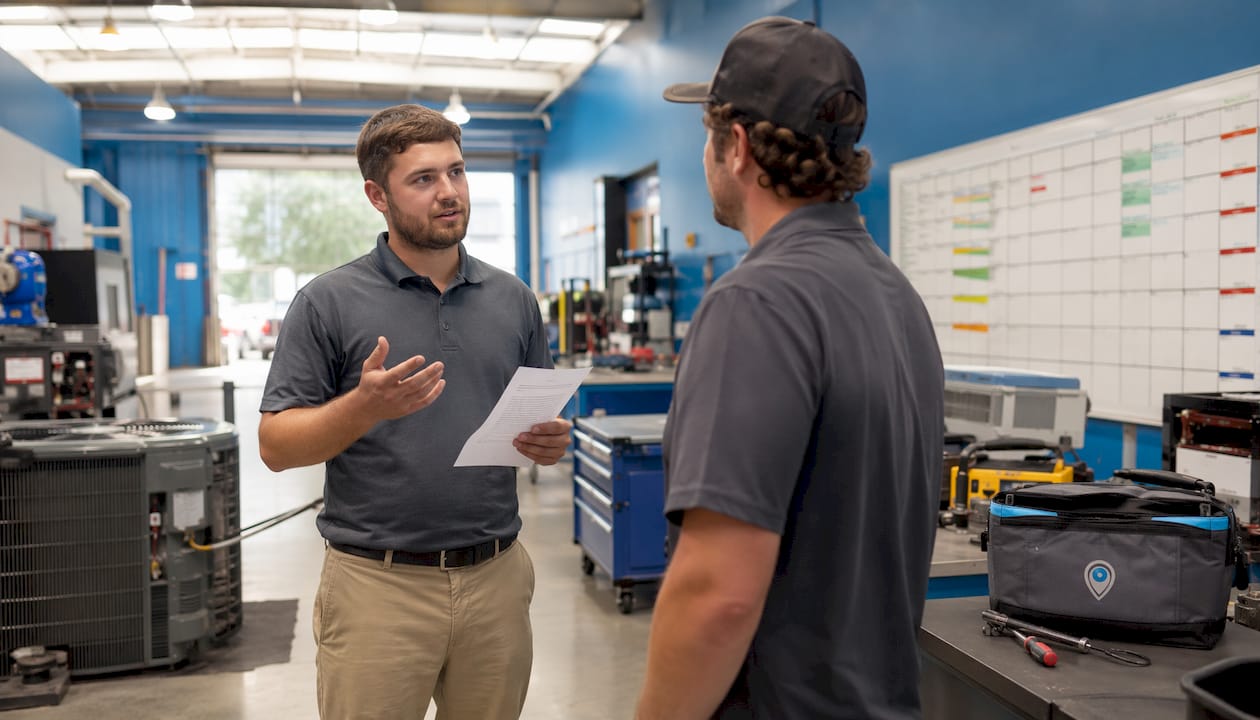
How do you maintain quality standards while hiring faster?
Speed without discipline produces bad hires. A poor culture fit costs more in turnover, callbacks, and team morale than a vacant truck does in lost revenue. The goal is a fast process that still filters effectively.
- Screen for EPA Section 608 certification as a mandatory requirement. This is non-optional. It protects your business legally and filters out candidates who are not field-ready.
- Add NATE certification to your quality screen. NATE certification is not legally required, but it is a strong quality signal. Data shows that NATE-certified technicians complete more work on average, and a significant portion of callbacks involve technicians without it.
- Replace resume review with a hands-on scenario. A 15–30 minute field scenario or shop walkthrough reveals diagnostic reasoning and customer communication skills that no resume can show. This is the step most shops skip.
- Use references and ride-alongs to confirm fit. References validate work history. A ride-along with one of your lead techs confirms how a candidate handles real calls, customer interactions, and your specific dispatch flow.
- Resist hiring purely out of urgency. Contractors who bring on someone they know is a poor culture match because "the truck's been empty too long" create long-term problems that outweigh the short-term revenue gain.
A strong employer brand also attracts better candidates before the interview even starts. When your company is known for fair pay, clear advancement, and a respectful work environment, qualified techs apply faster and accept offers more readily. That reputation is built over time, but it pays off every time you open a role.
What does the HVAC hiring timeline look like in 2026?
HVAC technician postings tend to remain open for about 31 days on average. In competitive markets, hiring timelines typically range from several weeks up to two months from posting to start date, but a structured pipeline can cut that time significantly.
- Days 1–3: Post the job with a transparent pay range and an EPA 608 credential gate. Distribute across trade-specific boards and your own network.
- Days 3–7: Run initial phone screens within 24 hours of each application. Confirm certifications, schedule availability, and pay expectations. Cut misaligned candidates here, not later.
- Days 7–14: Schedule hands-on field scenarios or shop visits for candidates who pass the phone screen. Keep this stage to one session, not multiple rounds.
- Days 14–21: Conduct ride-alongs and reference checks for finalists. Move to offer within the same week.
- Days 21–30: Extend the offer, complete onboarding paperwork, and set a start date.
Every delay in communication adds days to this timeline and increases the chance a qualified candidate accepts another offer. The shops that win top candidates treat recruiting with the same urgency they apply to a hot sales lead.
Reactive hiring, triggered only when a tech quits or a backlog spikes, always costs more time. Building a continuous recruiting pipeline, staying in contact with promising candidates who were not ready to move yet, and staffing for your slowest quarter rather than your busiest one all reduce the pressure when a role opens. For guidance on managing seasonal staffing cycles, a year-round recruiting approach is far more stable than crisis hiring every spring.
How do you get new HVAC hires productive quickly?
A new technician, even a strong one, needs time to get fully productive in your dispatch flow, your pricing, and your customer mix. That ramp-up gap is real: payroll costs start on day one, but full billing output takes weeks. Shortening that gap directly protects your margins.
Pair every new hire with a lead technician for the first two to three weeks. Structured ride-alongs during onboarding serve double duty: they accelerate skill transfer and give you early visibility into how the new tech handles your specific call types and customer base. This is faster than classroom training alone and produces fewer early callbacks.
Build a written onboarding checklist that covers your dispatch system, pricing tools, truck inventory procedures, and customer communication standards. New hires who know exactly what is expected on day one reach independence faster than those who learn by trial and error. A defined timetable, with clear milestones for when the tech should be handling solo calls, keeps both the manager and the new hire aligned.
Before adding another technician, confirm that your office infrastructure can support them. A dispatcher or customer service rep who keeps existing techs fully booked often produces more revenue than an additional field hire, particularly when utilization of your current crew is the real constraint. Hiring in the right order, field staff supported by adequate office capacity, is what turns a new hire into a productive asset quickly.
Key Takeaways
Overloaded technicians, rising backlogs, and turned-down jobs are the clearest signs an HVAC company needs to hire faster, and a structured, fast process is what closes quality candidates before competitors do.
| Point | Details |
|---|---|
| Backlog threshold | A backlog exceeding 3–5 days repeatedly is the clearest operational signal to hire more technicians. |
| Speed to lead | Contact candidates within 24 hours of application and offer within a week of the final interview to close top talent. |
| Credential gate | Screen for EPA Section 608 first; NATE-certified techs complete roughly 20.5% more work on average. |
| Hiring timeline | HVAC postings stay open around 31 days on average; a structured pipeline can cut that time significantly. |
| Onboarding speed | Pair new hires with a lead technician and use a written checklist to reach full productivity faster. |
Hire faster without lowering your standards
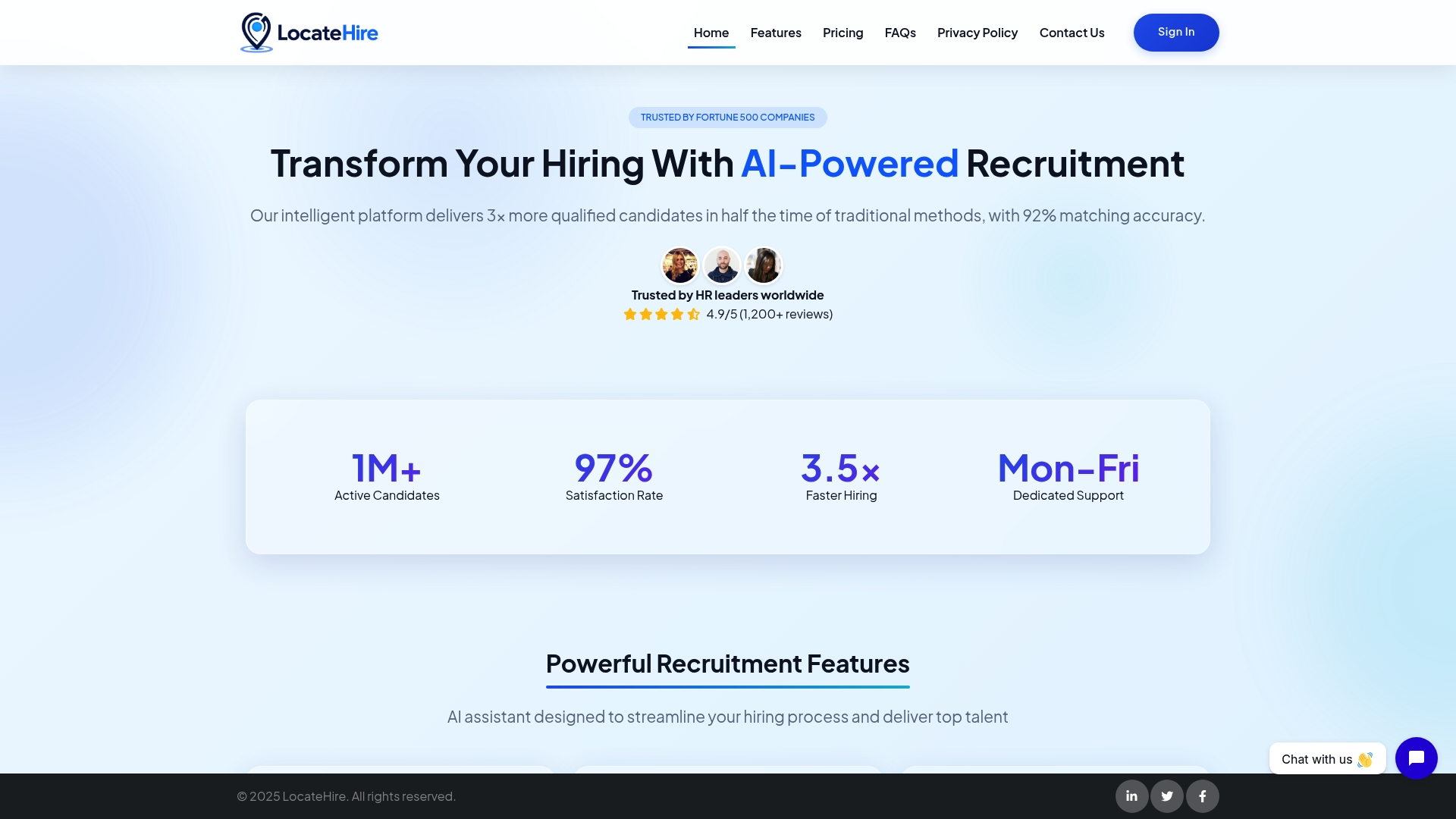
Locatehire is an AI-powered applicant tracking system built for small and mid-sized service companies with ongoing hiring needs. It handles credential gating, automated follow-ups, and interview scheduling so your team spends time evaluating candidates, not chasing them. If your HVAC company is turning down jobs or burning out your crew, the answer is a faster, more organized hiring process. Start hiring smarter with Locatehire today.